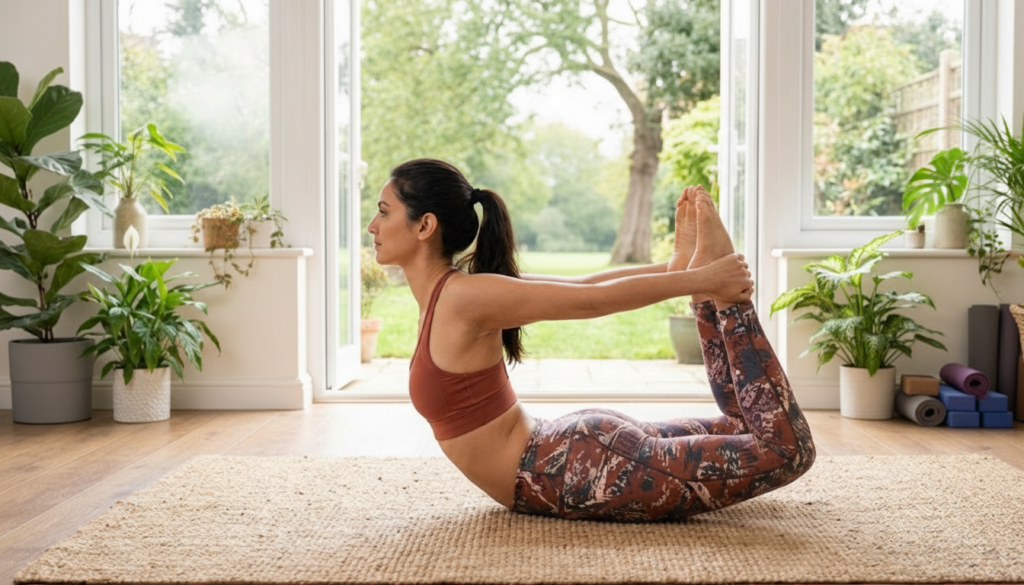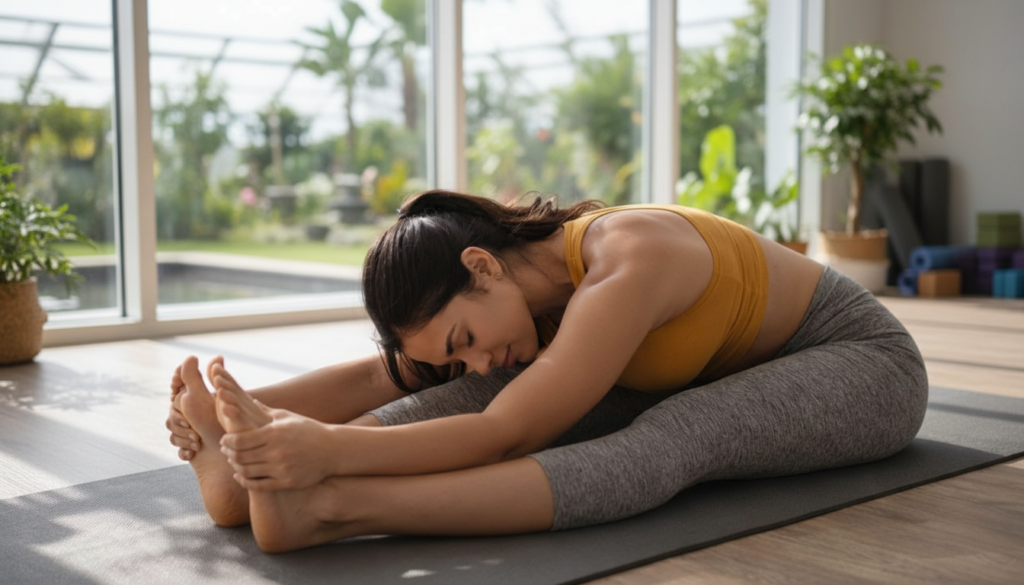
If your mind is racing or your muscles are tight after a long day, doing a short yoga routine before bed can help you relax. This isn’t a workout; it’s a gentle signal to your body that it needs to rest. You don’t need to be flexible to practice these five poses. They work best with slow deep breathing and calm surroundings. The first pose is called Child’s Pose. Sit back on your heels and kneel on the floor.
Setting Up Your Sleeping Area
When your body is relaxed and your mind isn’t racing, it becomes easier to fall asleep. Gentle yoga helps loosen tight hips and shoulders while controlled breathing calms your nervous system. It works like a dimmer switch for your busy day. These poses are simple, require little effort, and can be held comfortably, making them ideal for preparing your body and mind for rest.
How Yoga Helps You Sleep Better
When your body feels relaxed and your mind is not alert, sleep comes more naturally. Gentle stretches release tension in the hips, lower back, neck, and shoulders. Steady breathing helps regulate your nervous system and reduces stress levels. Think of it as turning down the volume of your day. These poses are calming, beginner-friendly, and designed to be held longer for maximum relaxation benefits.

Pose 1: Child’s Pose (Balasana)
Child’s Pose gently stretches the back and hips while calming the nervous system. Start on your knees and bring your big toes together. Separate your knees to a comfortable distance. Fold forward and rest your forehead on the mat or a pillow. Extend your arms forward for a deeper stretch or place them beside your body for a more restful feeling.
Pose 2: Legs Up the Wall (Viparita Karani)
This pose is excellent for tired, heavy legs at the end of the day. Sit sideways next to a wall, then lie back and swing your legs upward against it. Adjust your distance from the wall as needed. Place a folded blanket under your hips if your lower back needs support. Rest your arms on your stomach or by your sides. Stay here for 3 to 8 minutes. If your thoughts wander, gently count your breaths from one to ten and repeat. The simplicity of this pose makes it effective for sleep.
Pose 3: Reclining Bound Angle (Supta Baddha Konasana)
This posture opens the hips and relaxes the abdominal area, making it soothing after dinner. Lie flat on your back, bring the soles of your feet together, and allow your knees to drop outward. Support your knees with pillows or folded towels if needed. Place one hand on your chest and the other on your stomach. Stay for 2 to 5 minutes, allowing your belly to rise naturally with each inhale. Keep your jaw and tongue relaxed to avoid tension that can interfere with sleep.
Pose 4: Supine Twist (Supta Matsyendrasana)
A gentle twist releases tension in the lower back and promotes relaxation. Lie on your back and draw your knees toward your chest. Extend your arms outward and lower both knees to one side. Turn your head in the opposite direction if comfortable. Hold for one to two minutes on each side. Focus on breathing deeply into your ribs. Place a pillow between or under your knees for support. Comfort is more important than stretching deeply.
Pose 5: Supported Corpse Pose (Savasana)
This final pose allows full-body relaxation. Lie on your back with a pillow under your knees to ease lower back pressure. Cover yourself with a light blanket for warmth. If your mind feels busy, place a soft cloth or eye pillow over your eyes. Remain here for 3 to 10 minutes. Try inhaling for four counts and exhaling for seven. If that feels difficult, adjust to four counts in and six counts out. Let your breathing stay natural and unforced. When finished, roll onto your right side before slowly sitting up.
A Simple Yoga Flow for Bedtime
Practice Child’s Pose for 2 minutes, Legs Up the Wall for 5 minutes, Reclining Bound Angle for 3 minutes, Supine Twist for 2 minutes per side, and Supported Savasana for 3 to 5 minutes. If you’re short on time, combine Legs Up the Wall and Supported Savasana. Even this brief pairing can noticeably shift how you feel before bed.
Things You Can Do to Improve Sleep Benefits
Yoga supports sleep, but your habits matter too. Avoid caffeine later in the day if it disrupts your rest. Reduce screen brightness and avoid stimulating activities during the hour before bedtime. If worries keep you awake, write down a short task list and set it aside. During your practice, breathe through your nose and keep the room quiet. Consistency matters most. Follow this routine for two weeks, and your body will begin to recognize it as a signal that the day is ending.