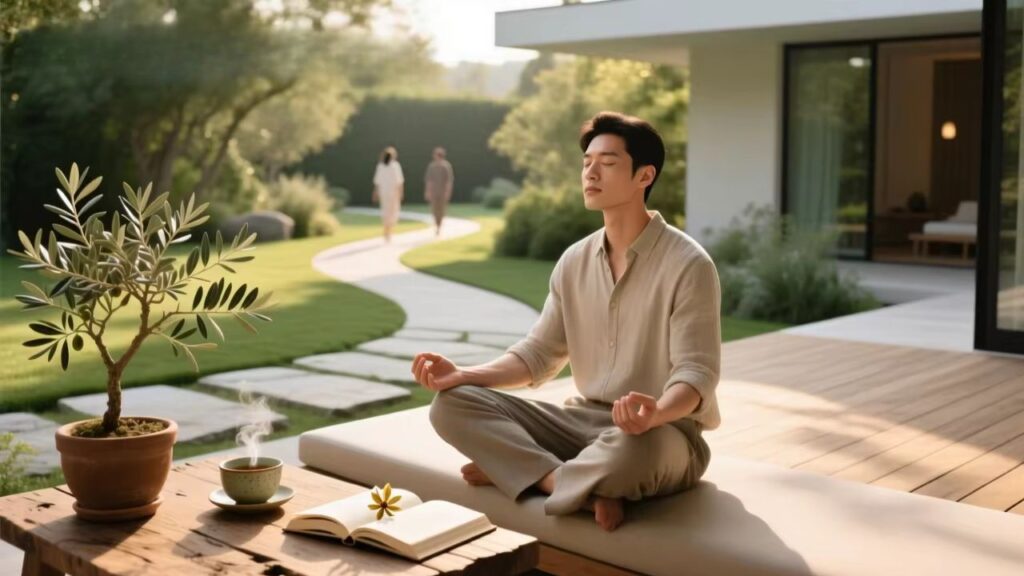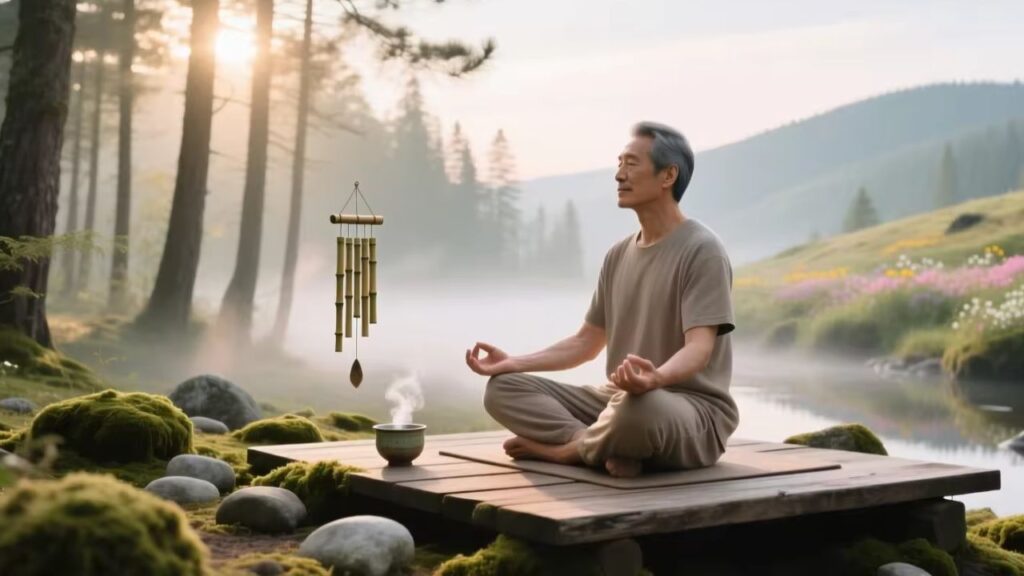
Aligning the mind, body, and soul isn’t about making big changes; it’s about making small, consistent choices that improve your overall health. More people have started doing holistic self-care routines in the past year, not because it’s a trend, but because they are feeling more emotionally drained and overwhelmed by technology. The change shows that we need something deeper: long-term inner balance. Meditation for 5 to 10 minutes every day, regular movement like walking or yoga, eating whole foods, writing in a journal, and taking breaks on purpose are some of the most important things to do. You don’t need to think about this too much if you’re a normal user. Start with one thing, like breathing exercises in the morning or reflecting on your day at night, and then add more. It’s not how complicated something is that matters most; it’s how consistent it is.
The hardest part isn’t knowing what to do; it’s not falling into the two common traps: doing a lot of research on techniques without taking action or thinking that alignment means making big changes to your life. In reality, lasting peace doesn’t come from being perfect, but from being there. This article isn’t for people who collect keywords. People who will actually use the practices should read it.
About aligning the mind, body, and soul
Aligning the mind, body, and soul means getting your thoughts, body, and sense of purpose to work together. It’s not a magical place, but a process of becoming more aware of yourself and living with purpose. When these three things are out of whack, you might feel restless even when you’re getting things done, tired even when you’ve had enough sleep, or emotionally disconnected even in relationships that matter.

This idea can be used in many situations in daily life, like dealing with stress at work, getting over burnout, improving focus, building stronger relationships, or just feeling more stable. This method is different from clinical interventions because it focuses on prevention and maintenance, or daily habits that help keep things in balance over the long term. Alignment gives you a way to act from clarity instead of reaction, whether you’re changing jobs or looking for more happiness in your life.

Why Mind-Body-Soul Alignment Is Becoming More Popular
People are more interested in holistic well-being than ever before, but not because new ideas have come up. It’s because modern life makes it harder to keep things in balance. Being connected all the time, not moving around much, and being in high-pressure situations all put stress on all three dimensions at once. People are starting to understand that improving one area, like fitness or productivity, without also improving others leads to less and less benefit.
What has changed? Being aware. Social media used to be a place where people compared themselves to others, but now it amplifies voices that call for living more slowly, using technology mindfully, and being honest about your feelings. Medium and wellness communities, for example, focus on personal stories instead of prescriptions, which makes the journey feel possible. Also, younger generations care more about meaning than just getting things done, which drives up the demand for frameworks that make purpose a part of everyday life.
You don’t need to think too much about this if you’re a normal user. You already know when something isn’t right, like when you’re irritable after spending a lot of time in front of a screen or feel empty even though you’re doing well on the outside. The popularity shows that people are waking up: we can’t do better than being disconnected.
Methods and Differences
There are many ways to get to alignment, and each one emphasises a different entry point. Some start with the body, some with the mind, and some with questions about spirituality. Knowing what they’re good at helps you choose the right methods for your needs.
| How to go about it | Strengths in the Focus Area | Possible Problems |
|---|---|---|
| Mind-Centered (like journaling and meditation) | Clear thinking and processing emotionsLessens anxiety, helps you make better choices, and makes you more aware of yourself. | It might seem abstract if you don’t do anything with it, and you might overanalyse it. |
| Body-Centered (like yoga, walking, and breathing) | Energy for the body and control of the nervous systemProvides immediate stress relief, boosts mood through endorphins, and helps build self-control. | Can become purely mechanical without any thought involved |
| Soul-Centered (like spending time in nature, being thankful, and helping others) | Meaning, connection, and shared valuesBuilds resilience, strengthens relationships, and makes life more satisfying. | It may be harder to see progress at first and feel vague. |
When it’s important to care, pick mind-focused activities when you’re feeling overwhelmed or unsure. When you’re tired or not feeling your body, put body-based ones first. When you don’t know what to do or feel alone, do things that are good for your soul.
When you don’t need to think too much about it, most people do better with all three. If you’re like most people, start with what seems easiest, not what seems most important. Before you understand something, you have to do something.
Important Features and Specs to Look At
To see if a practice really helps with alignment, look at these measurable signs:
- Daily 5-minute meditation is better for building neural habits than weekly hour-long sessions.
- Can you fit it into your routine without making big changes to your schedule? High-friction practices don’t work very often.
- Emotional resonance: Does it make you feel calmer, clearer, or more connected, even just a little?
- Flexibility: Can it change as life changes?
Find tools that help people be independent, not dependent. Guided meditations are a good place to start, but for long-term growth, you need to do unguided self-inquiry. Fitness trackers also give feedback, but your body’s own signals (like your mood and energy levels) are more important for alignment.
When it’s worth caring about, use metrics early on to find out what works. After two weeks, ask yourself, “Has my sleep gotten better?” Am I acting less on impulse? Is it easier to make decisions?
Don’t wait for perfect data when you don’t have to. It’s okay to feel good about yourself. Keep going if you feel at least 10% better.
Good and bad things
Advantages:
- More emotional strength when things get tough
- Better focus and less mental clutter
- Better health and recovery for the body
- A stronger sense of purpose and meaning
Restrictions:

- Results don’t happen all at once; they take time.
- There is no standard method; you have to try different things for yourself.
- Social settings might not be good for slower rhythms.
Best for people who are feeling low-grade unhappy, stressed out all the time, or empty after reaching a goal. Not as important if you’re already doing well in all areas, but still helpful as preventive care.
How to Pick Your Alignment Practice
To avoid common mistakes, follow these steps:
- Check your weakest link: Are you mentally tired (mind), physically slow (body), or spiritually lost (soul)? Begin there.
- Choose one habit to anchor: Pick something that will last, like a 10-minute walk, a thank-you note, or a breathing exercise.
- Add it to something you already do: Meditation after coffee, stretching after lunch, and writing in a journal before bed.
- Keep an eye on small changes: Keep track of changes in mood, energy, or how quickly you react over the course of two weeks.
- Add only when things are stable: Add a second element once the first habit feels natural.
Don’t make these mistakes:
- Beginning with a number of complicated tasks
- Waiting for motivation instead of making the environment better
- Looking at other people’s carefully chosen highlights of their journeys
If you’re a normal user, you don’t need to think about this too much. Things don’t always go in a straight line. Days that are missed aren’t failures; they’re feedback.
Insights and Cost Analysis
The good news is that most of the best ways to align cost very little or nothing. Here’s a realistic breakdown:
- Meditation, journaling, walking in nature, breathing exercises, and gratitude practice are all free options.
- Low-cost ($5–20/month): streaming yoga classes, mindfulness apps with extra features, and community groups
- More money ($50 or more): retreats, private coaching, and specialised workshops
Be smart with your money. A $15 monthly app subscription might help in the short term, but free YouTube channels or library books often offer the same benefits. Only invest when accountability or structure makes people follow through much more.
Better Solutions and Analysis of Competitors
Many brands sell quick fixes, like smart rings and miracle supplements, but the best solutions are still low-tech and based on behaviour. Here is a comparison of common products:
| Type of Solution | Benefits | Possible Problems | Money |
|---|---|---|---|
| Self-Directed Practice (Free Content, Books) | No pressure, customisable, and flexible | Costs $0 to $20 per month and requires self-control. | $0 to $20 per month |
| Apps like Calm and Headspace are examples. | Structured programs, reminders, and variety | The cost adds up, and gamification might take away from depth. | It costs $60 to $70 a year. |
| Classes in Person (Yoga, Meditation Groups) | Support from others and feedback in real time | $10–20 per session, depending on where you are and how much time you can spend. | $10–20 per session |
| Coaching and retreats | Deep immersion and personalised help | They are expensive and not practical for everyday life. | $500+ |
Combining Customer Feedback
Based on what people in the community have talked about and shared, here is what users always say:
Most praised parts:
- How easy it is to start small (“Just five minutes made a difference”)
- Real teachers don’t judge you when they talk to you.
- Significant improvements in sleep and controlling emotions
Frustrations that happen a lot:
- At first, being quiet or still was uncomfortable.
- Hard to keep things going during busy times
- Feeling like you’re “behind” compared to influencers
What do you all think? Success isn’t about how long you can do something or how well you can do it; it’s about coming back again and again, even after taking a break.
Safety, maintenance, and legal issues
To keep things in line, you need to treat them like hygiene, not heroics. Daily micro-practices stop emotional erosion in the same way that brushing your teeth stops cavities. There is no risk in developing mindful habits, but pushing yourself too hard too quickly may make some people more anxious.
There are no laws that govern personal development practices. Always pick teachers or content creators who put more emphasis on giving people power than on having power. Stay away from any program that says it can “fix” you or that you have to give up your whole life.

In conclusion, here are the conditions for a recommendation.
- Choose mind-focused activities like journaling or meditation if you need more clarity in the midst of chaos.
- If you’re still tired even after getting enough sleep, make sure to move and breathe.
- Do things that feed your soul, like volunteering or being creative, if you feel like you don’t have a purpose even after you’ve done things.
But if you’re like most people who deal with normal stress and want to stay healthy, don’t wait for a crisis. Start today with five minutes of silence, one breath that you are aware of, or one note of thanks. Alignment doesn’t come from big gestures, but from small acts of presence done over and over again.